


For more than a decade, Alice Oseman has been shaping the world of Nick Nelson and Charlie Spring. These two queer teens whose love story grew from a webcomic into one of the most celebrated LGBTQ+ franchises of recent years. Now, with the release of the sixth and final volume of Heartstopper, Oseman is closing a chapter that has defined much of their creative life.
Oseman, who uses she/they pronouns, first introduced readers to Charlie in her debut novel Solitaire at age 19. What began as a side story evolved into Heartstopper, a self‑published comic that blossomed into a global phenomenon. The Netflix adaptation brought Charlie (Joe Locke) and Nick (Kit Connor) to life, capturing the awkwardness, tenderness, and resilience of queer adolescence. Across three seasons and six comic volumes, fans followed the characters as they navigated identity, mental health, and the complexities of growing up.
Bittersweet Endings
Completing the final installment was both exhilarating and difficult for Oseman. “Every page felt precious,” she explained, describing the physical and emotional resistance she felt while finishing the series. The conclusion marks not only the end of the comics but also her work as screenwriter for the upcoming Netflix film Heartstopper Forever, set to premiere July 17. The film will explore Nick’s transition to college and the challenges of long‑distance love, while continuing the journeys of Elle, Tao, Tara, and Darcy.
Growing Up Alongside the Story
The early seasons of Heartstopper focused on first crushes and the innocence of teenage romance. Later chapters tackled heavier themes — homophobia at home, eating disorders, and the shift from adolescence to adulthood. Oseman believes audiences are ready for these deeper explorations, noting that both the characters and their fans have matured together.
She also credits the adaptation process with teaching her how to collaborate and advocate for her creative vision. “I had to learn how to use my voice confidently,” she said, reflecting on the transition from solitary writing to leading a creative team.
Impact and Resistance
The series’ success has not come without challenges. Heartstopper has been targeted by book bans and censorship campaigns, particularly in the United States. Oseman acknowledges the distress of seeing queer representation under attack but emphasizes the importance of continuing to create art that uplifts and supports LGBTQ+ youth.
“Even as rights are challenged, we have to keep fighting and keep making art that helps people,” she said.
Have You Read Them Yet? Get Them Below!
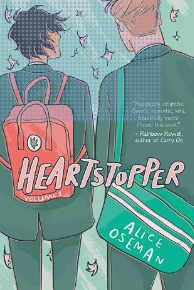
Heartstopper #1: A Graphic Novel
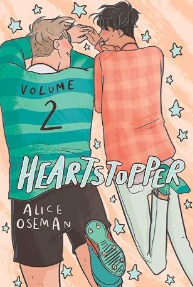
Heartstopper #2: A Graphic Novel
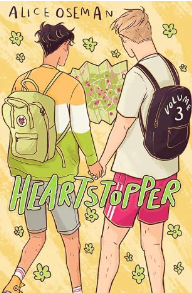
Heartstopper #3: A Graphic Novel
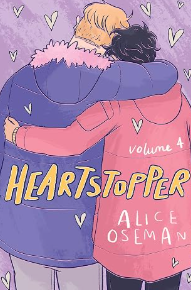
Heartstopper #4: A Graphic Novel
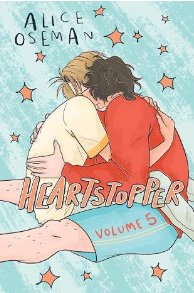
Heartstopper #5: A Graphic Novel
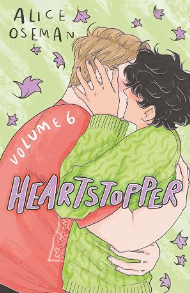
Heartstopper #6: A Graphic Novel
Affiliated Link Disclosure: Some product links in this publication are affiliate links. If you choose to make a purchase through them, we may earn a small commission, never at any extra cost to you. These commissions help us keep #PASSPORTER™ independent, community-focused, and free to read for our community members!
Looking Ahead
For now, Oseman is taking time to breathe after years immersed in Heartstopper. Pride celebrations and small‑town festivals are on her horizon, as she reflects on the extraordinary reach of her work.
“I feel very grateful,” she shared. “Heartstopper spread joy far beyond what I ever imagined, and I’m happy it could help so many people.”



Leave a Reply